Equine Facilitated Psychotherapy
What to Expect…
Integration in a therapeutic partnership
What makes it effective?
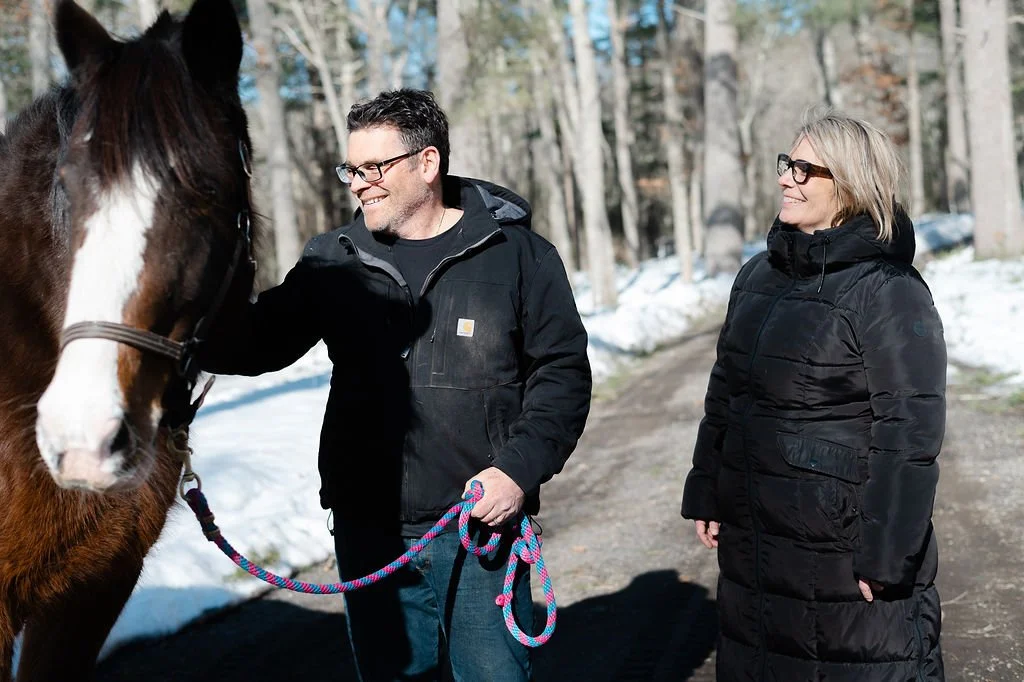
Equine‑Facilitated Psychotherapy (EFP) at Whip’s Farm Wellness is thoughtfully tailored to meet each client’s unique therapeutic needs. Our licensed mental health clinician integrates evidence‑based approaches—including Internal Family Systems (IFS) and Somatic Therapy—with the core principles of equine‑facilitated psychotherapy. This integrative model allows therapy to become deeply experiential, present‑focused, and relational, with meaningful connections to both the horses and the natural environment.
Within sessions, the clinician serves as a skilled facilitator between the client and the horse, offering careful observations and inviting interoceptive awareness from a compassionate, non‑judgmental stance. This embodied approach differs from traditional “top‑down” cognitive‑based talk therapy by engaging both mind and body simultaneously.
EFP offers a holistic “top‑down and bottom‑up” framework that supports nervous system regulation through felt experience and relational safety. Research consistently demonstrates that meaningful and lasting change occurs when individuals are grounded in emotional safety and supported through authentic social connection—engaging both the brain and the body in the healing process.
Who can benefit?
Equine‑Facilitated Psychotherapy (EFP) has a longstanding history of effectiveness across a wide range of therapeutic needs. In general, individuals who are drawn to experiential, relational, and body‑based approaches often find EFP especially meaningful and impactful. Research and clinical experience show EFP to be effective for both adolescents and adults.
EFP may be particularly beneficial for those seeking support with anxiety, trauma (including developmental trauma and attachment disorders), low self‑esteem, depression, and emotional regulation challenges. At Whip’s Farm Wellness, our trauma‑informed clinician specializes in ADHD and somatic therapy and is trained as an Internal Family Systems (IFS)–informed practitioner.
Structure of Sessions:
EFP sessions can be tailored to meet the needs of individuals or families. Not all sessions involve direct interaction with the horses; some sessions may take place in the on‑site office, depending on therapeutic goals and client comfort.
Before engaging in any work with the horses, the clinician conducts a comprehensive biopsychosocial assessment, collaborates with the client to establish treatment goals, and reviews all safety considerations. Each session is intentionally designed to align with the client’s needs while ensuring a safe, supportive, and therapeutic environment.
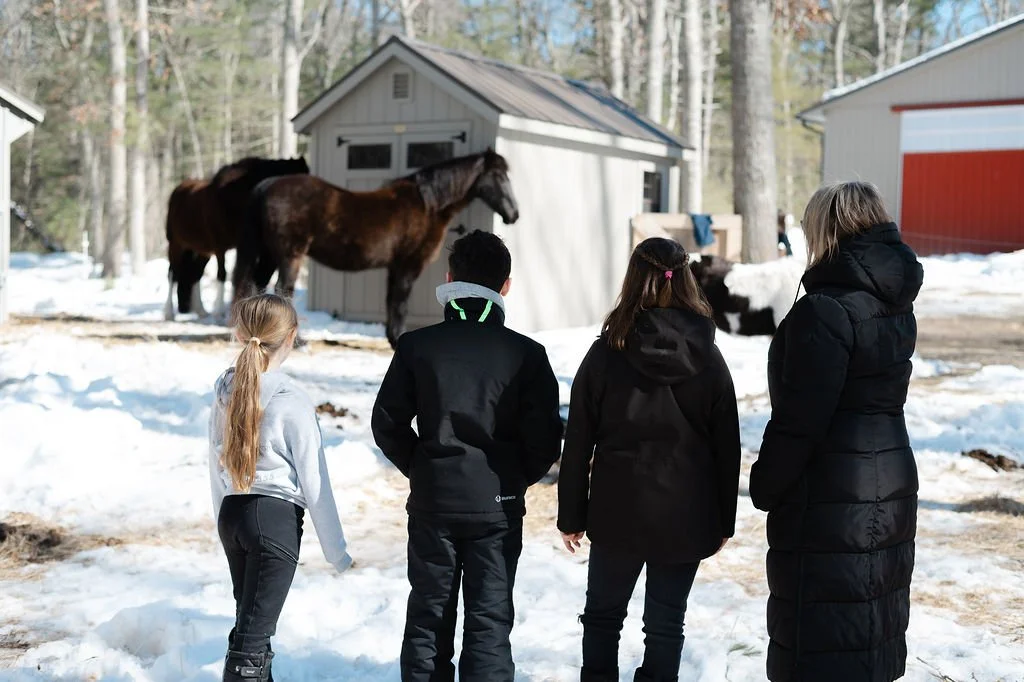
If you are feeling drawn to EFP we invite you to connect with us through the inquiry form. A licensed clinician will follow up to share more and answer your questions.
FAQ’s
-
Session structure varies depending on each client’s needs and therapeutic goals. The initial session follows a traditional talk‑therapy intake and takes place in an office setting. During this time, the clinician gathers relevant background information, explores what the client hopes to gain from therapy, and reviews important safety considerations, including appropriate attire and basic horse awareness.
Subsequent sessions may include experiences in the indoor arena, observing the herd in their natural environment, or individual sessions involving the client and a horse. The pastoral setting of the farm offers abundant opportunities for curiosity, connection, and meaningful engagement with both the horses and one’s inner experience.
-
The short answer is no. Equine‑Facilitated Psychotherapy (EFP) is designed to be flexible and responsive to the needs of both the client and the horses. One of the core strengths of this work is its ability to honor your physical, emotional, and nervous system state in each moment.
An important part of the therapeutic process is noticing how you arrive to a session—mentally, emotionally, and physically—and allowing that awareness to guide the work. This in itself can be a meaningful growth experience. For example, the needs of a client arriving after a stressful workday may look very different from those of a client returning from a restorative vacation.
Some clients choose to remain within the office setting and may not engage with the horses during a session at all. The clinician’s client‑centered approach, combined with the diverse settings available at the farm, allows for a wide range of therapeutic experiences—each thoughtfully tailored to support your comfort, safety, and therapeutic goals.
-
Whip’s Farm Wellness is currently a private‑pay practice and does not accept insurance. To support accessibility, a sliding fee scale may be available based on individual circumstances.
In some cases, the clinician can provide a superbill upon request. A superbill is a detailed receipt that clients may submit directly to their insurance provider for potential reimbursement. Reimbursement is dependent on the specific terms of each individual insurance plan, and clients are encouraged to contact their insurance company prior to intake to determine eligibility and coverage.
Session frequency is thoughtfully tailored to each client’s needs and may change over time. Many factors influence scheduling, and cadence is designed to remain flexible as circumstances evolve. Decisions around frequency are made collaboratively and revisited as part of the therapeutic process.
-
· Intake (initial) session (120 minutes):
$200
· Follow- up session (60-90 minutes):
o $150-$175
· Parent/Child Session (90 minutes):
$175
Intensive Individual Session (3+ hours)
o $275 and up